(309) 681-5500

(309) 681-5500
BLOOMINGTON
ILLINOIS EPOXY
(309) 681-5500
Bloomington Illinois, Epoxy Flooring
About Us
EPOXY EXPERTS
Get a Guaranteed Sure Thing!
Over 6,000 Satisfied Customers
150+ (5) Star Reviews
Local Experts
Book Estimate Online
About Us
BLOOMINGTON EPOXY EXPERTS
Get a Guaranteed Sure Thing!!
For Over Two Decades...
We have Delivered Expert Coating Services to Central Illinois!
Over 6k SATISFIED CUSTOMERS
150+ (5) STAR REVIEWS
BOOK ESTIMATE ONLINE
See Our Work
Watch a Real Install.
Click below >>>
to watch video.
See Our Reviews
EPOXY
COLORS
HOME OWNERS
Garage
Basement
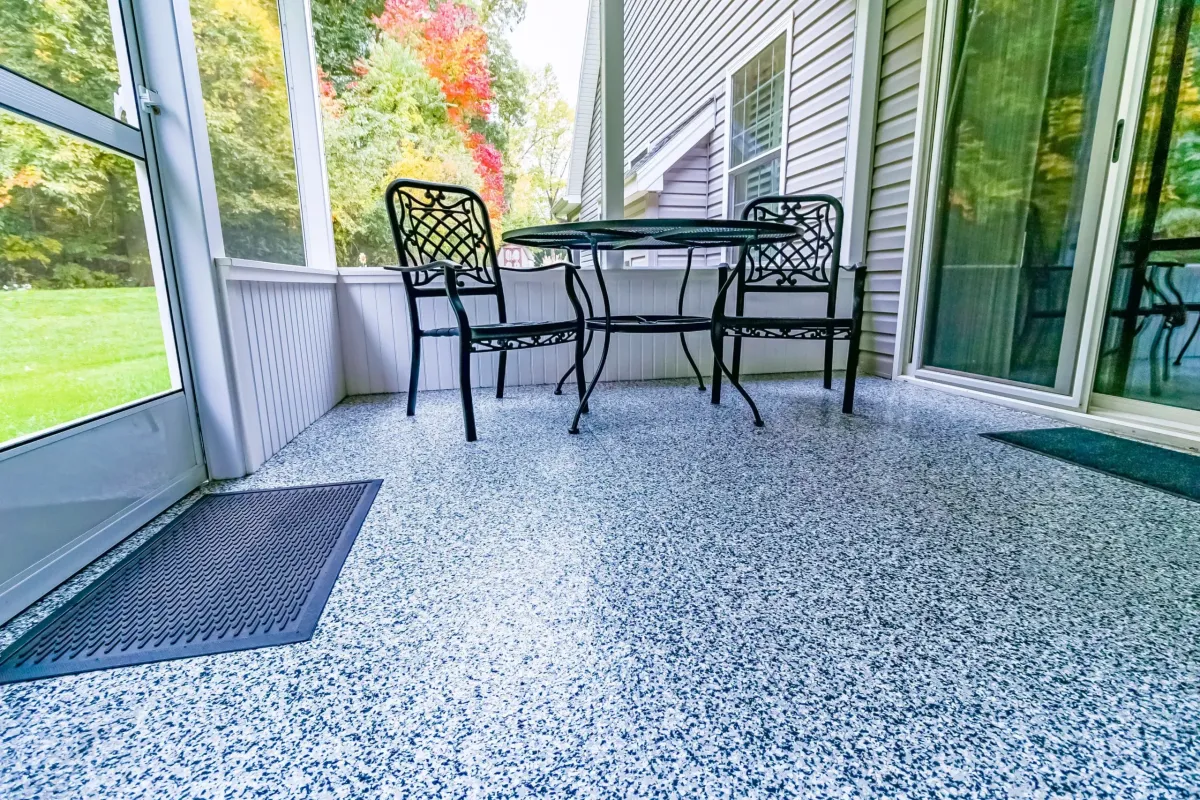
Sidewalk, porch, pool deck
BUSINESS OWNERS
Shipping
Hospitality
Medical
Civil Service
Process
Bloomington, Il. Epoxy
After we complete your estimate, You are now ready to get started.
Here’s a quick look at how we bring your floors to life and what Bloomington Epoxy is "in general."
01 - PREP
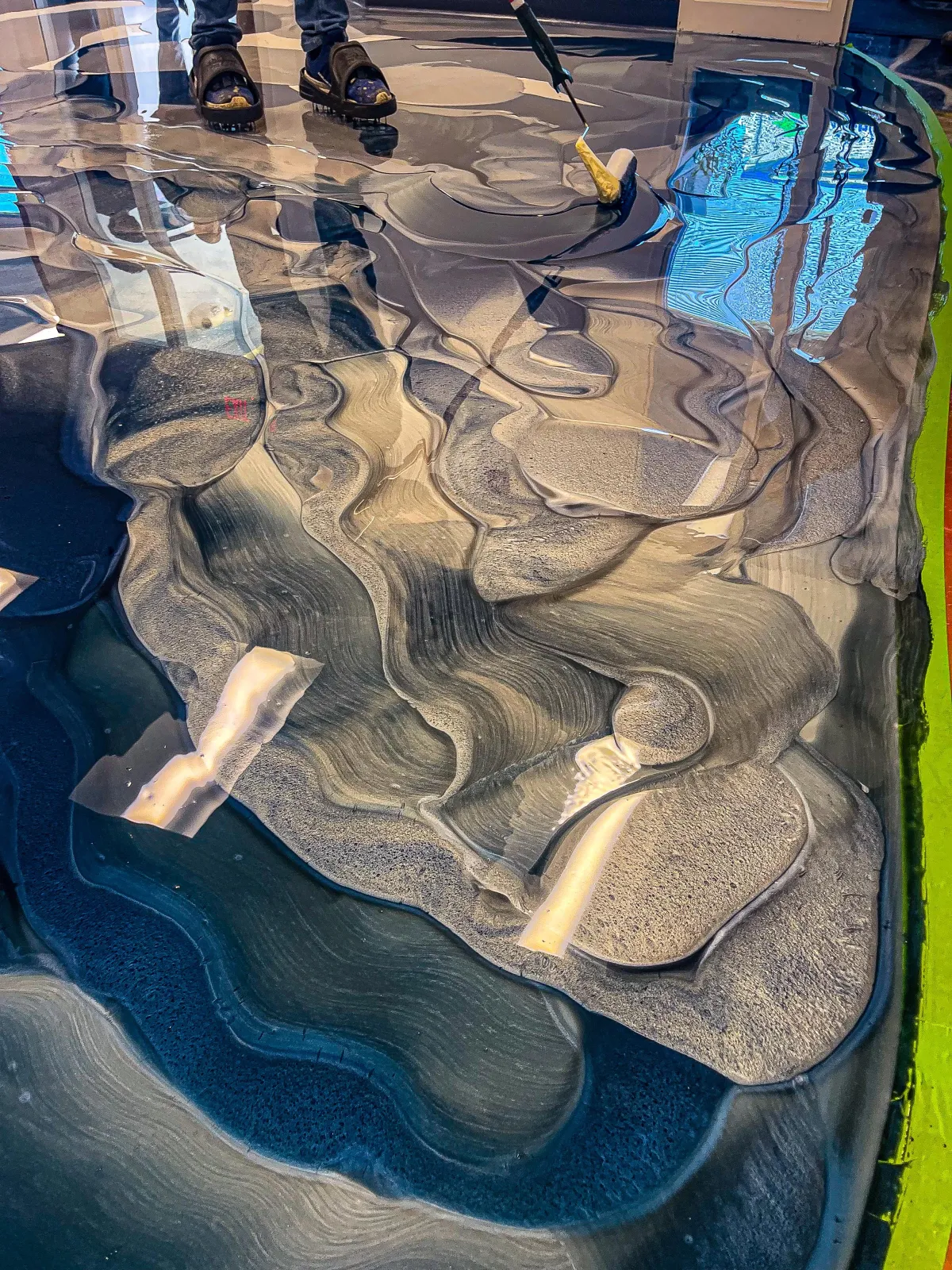
We grind the floor then repair any cracks and spalling in floor.
02 - COAT
We apply a vapor barrier and multiple coats to reach your desired finish.
03 - SEAL
We finish by applying a clear coat of finish to protect your new floor.
Bloomington, Illinois
Epoxy Flooring
Bloomington, Illinois Epoxy Flooring:
Benefits, Types, Installation, and Maintenance of Bloomington
Epoxy flooring. Epoxy has become one of the most popular surface solutions for residential, commercial, and industrial spaces. Known for its durability, sleek appearance, and long-lasting performance, epoxy flooring offers an attractive alternative to traditional flooring options such as tile, concrete, or vinyl. Whether installed in garages, warehouses, hospitals, showrooms, or modern homes, epoxy flooring delivers both functional and aesthetic value.
This guide explores everything you need to know about epoxy flooring, including what it is, how it works, its benefits, types, installation process, maintenance requirements, and ideal applications.
What Is Epoxy Flooring?
Epoxy flooring is a surface coating system made by combining epoxy resin and a hardener. When these two components are mixed, a chemical reaction occurs, creating a rigid, plastic-like material that bonds tightly to concrete or other substrates. Once cured, epoxy flooring forms a seamless, non-porous, and highly durable surface.
Unlike traditional paints or sealers, epoxy coatings penetrate the concrete surface and harden into a thick, protective layer. This makes epoxy flooring far stronger and more resistant to wear, chemicals, moisture, and impact.
How Epoxy Flooring Works: Epoxy Near Me | Epoxy Flooring Near Me
The strength of epoxy flooring comes from its chemical structure. Epoxy resins contain epoxide groups that react with hardeners, forming cross-linked polymer chains. This creates a surface that is:
Extremely strong and rigid
Resistant to abrasion and chemicals
Non-porous and waterproof
Long-lasting when properly installed
Once cured, epoxy flooring essentially becomes part of the concrete rather than just sitting on top of it. As a side note, we operate out of Peoria and perform Epoxy Flooring Peoria Illinois if you have a project in Central Illinois, we can help.
Benefits of Epoxy Flooring
1. Exceptional Durability
Epoxy flooring is designed to withstand heavy loads, high foot traffic, machinery, and impacts. This makes it ideal for industrial facilities, warehouses, garages, and commercial buildings. When installed correctly, epoxy floors can last 10–20 years or more.
2. Chemical and Stain Resistance
Epoxy flooring resists oils, fuels, solvents, cleaners, and many harsh chemicals. Spills can be wiped away without staining, making epoxy ideal for laboratories, automotive workshops, factories, and kitchens.
3. Seamless and Hygienic Surface
Because epoxy flooring is seamless, it does not have grout lines or joints where dirt and bacteria can accumulate. This makes it easy to clean and highly hygienic, which is why it is widely used in hospitals, food-processing facilities, and pharmaceutical environments.
4. Moisture Resistance
Epoxy floors create a non-porous barrier that prevents moisture penetration. This helps protect concrete from water damage, mold growth, and deterioration, especially in basements and garages.
5. Aesthetic Versatility
Epoxy flooring is available in a wide variety of colors, textures, and finishes. Options include solid colors, metallic effects, decorative flakes, quartz blends, and high-gloss or matte finishes. This allows epoxy floors to complement both industrial and modern design styles.
6. Safety Features
Epoxy flooring can be customized with anti-slip additives to improve traction, even in wet or oily conditions. Bright colors and markings can also be used to designate walkways, hazard zones, or work areas.
7. Cost-Effective Solution
While epoxy flooring may have a higher upfront cost than basic floor coatings, its long lifespan and low maintenance requirements make it cost-effective over time. Fewer repairs and replacements mean lower long-term expenses.
Types of Bloomington, Illinois Epoxy Flooring
1. Self-Leveling Epoxy Flooring
Self-leveling epoxy is applied over concrete to create a smooth, seamless surface. It is ideal for floors with minor cracks or imperfections and is commonly used in warehouses, showrooms, kitchens, and garages.
2. Epoxy Mortar Flooring
Epoxy mortar floors are made from epoxy resin combined with graded sand or quartz. This creates an extremely strong and impact-resistant surface, often used in industrial environments where heavy machinery is present.
3. Quartz-Filled Epoxy Flooring
This type incorporates colored quartz grains into the epoxy mixture, creating a decorative and slip-resistant surface. Quartz epoxy floors are commonly used in locker rooms, schools, hospitals, and restrooms.
4. Metallic Epoxy Flooring
Metallic epoxy floors use metallic pigments to create a unique, reflective, and three-dimensional appearance. These floors are popular in high-end residential spaces, showrooms, hotels, and retail stores.
5. Flake Epoxy Flooring
Decorative flakes are broadcast into the epoxy coating, creating a textured and visually appealing surface. Flake epoxy floors are commonly used in garages, gyms, and commercial spaces.
6. Anti-Static Epoxy Flooring
Designed for environments sensitive to static electricity, such as electronics manufacturing facilities and laboratories, anti-static epoxy flooring prevents electrostatic discharge.
Bloomington Epoxy Flooring Installation Process
Step 1: Surface Preparation
Proper surface preparation is critical for epoxy flooring performance. The concrete must be clean, dry, and free of oils, dust, grease, and old coatings. Grinding or shot blasting is often used to open the concrete pores and ensure proper adhesion.
Step 2: Repairing the Substrate
Cracks, holes, and uneven areas are repaired using epoxy fillers or patching compounds. A smooth and level surface ensures an even finish.
Step 3: Priming
An epoxy primer is applied to enhance adhesion and seal the concrete surface. This step also helps prevent air bubbles in the final coating.
Step 4: Mixing and Application
The epoxy resin and hardener are mixed according to manufacturer specifications. The mixture is then poured and spread using rollers or squeegees. Decorative elements such as flakes or metallic pigments may be added at this stage. Speaking of priming, should you need wall primer along with you new epoxy, contact a Bloomington, Il. Drywall company first.
Step 5: Curing
Epoxy flooring requires time to cure properly. Light foot traffic is usually allowed within 24–48 hours, while full curing may take several days. During this time, the floor should be protected from moisture and heavy use.
Maintenance and Care
One of the biggest advantages of epoxy flooring is its low maintenance requirements.
Daily Cleaning
Sweep or dust mop to remove debris
Use a soft mop with mild detergent for routine cleaning
Periodic Maintenance
Avoid harsh chemicals that could dull the surface
Use protective pads under heavy equipment or furniture
Repairs
Minor scratches can often be buffed or recoated
Severe damage may require partial reapplication
With proper care, epoxy floors retain their appearance and performance for many years.
Bloomington area
HOMEOWNERS:
Bloomington, Il. Epoxy
Chenoa, Il. Epoxy
Clinton, Il. Epoxy
Colfax, Il. Epoxy
Heyworth, Il. Epoxy
Le Roy, Il. Epoxy
Lexington, Il. Epoxy
Normal, Il. Epoxy
Ideal Applications for Epoxy Flooring
Residential Spaces
Garages
Basements
Laundry rooms
Kitchens
Bloomington area
BUSINESS OWNERS:
Bloomington, Il. Epoxy Flooring
Chenoa, Il. Epoxy Flooring
Clinton, Il. Epoxy Flooring
Colfax, Il. Epoxy Flooring
Heyworth, Il. Epoxy Flooring
Le Roy, Il. Epoxy Flooring
Lexington, Il. Epoxy Flooring
Normal, Il. Epoxy Flooring
Commercial Spaces
Retail stores
Showrooms
Restaurants
Offices
Industrial Environments
Warehouses
Manufacturing plants
Automotive workshops
Laboratories
Healthcare and Education
Hospitals
Clinics
Schools
Universities
Epoxy Flooring vs. Other Flooring Options
Compared to tile, epoxy flooring has no grout lines and is more resistant to chemicals. Compared to polished concrete, epoxy offers more design flexibility and better moisture resistance. Vinyl and laminate may be cheaper initially, but they lack epoxy’s durability and lifespan.
Environmental Considerations
Modern epoxy flooring systems are available in low-VOC (volatile organic compound) formulations, making them safer for indoor air quality. Additionally, the long lifespan of epoxy floors reduces waste and the need for frequent replacements.
Bloomington Epoxy flooring is a versatile, durable, and visually appealing flooring solution suitable for a wide range of environments. Its ability to withstand heavy use, resist chemicals and moisture, and offer customizable design options makes it a smart investment for both residential and commercial applications.
With proper installation and maintenance, epoxy flooring provides long-term value, safety, and performance. Whether you’re upgrading a garage, designing a modern showroom, or protecting an industrial facility, epoxy flooring stands out as a reliable and stylish choice.